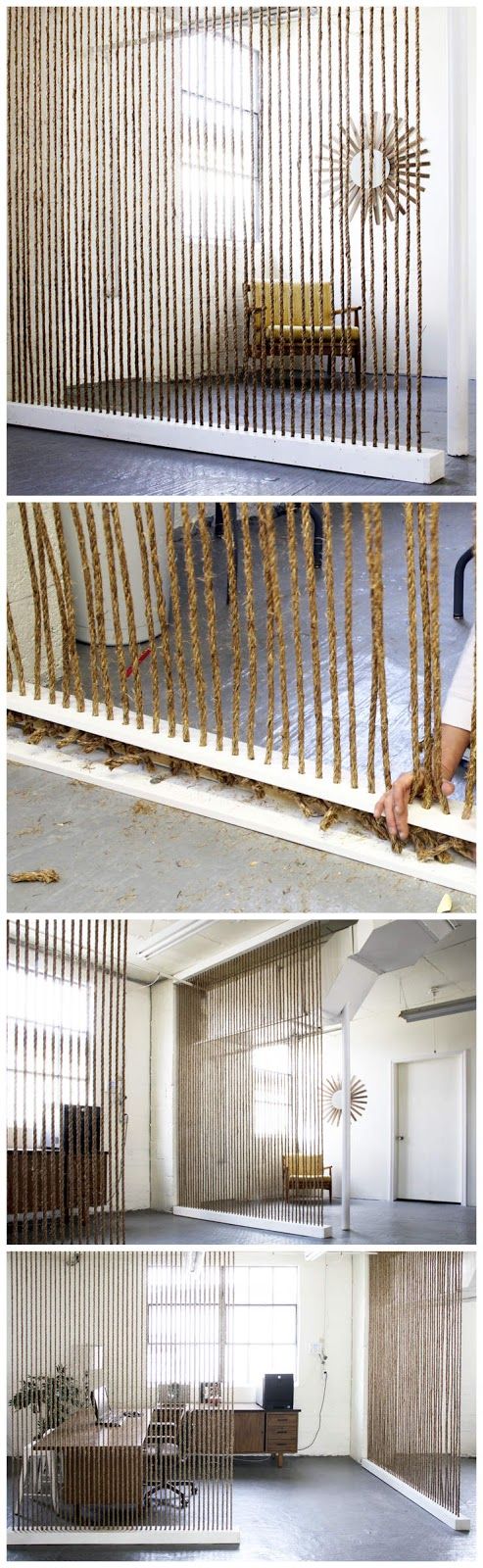
All people want to live in comfortable and cozy apartments, while the limited number of square meters very often does not allow dividing the premises into different functional areas.
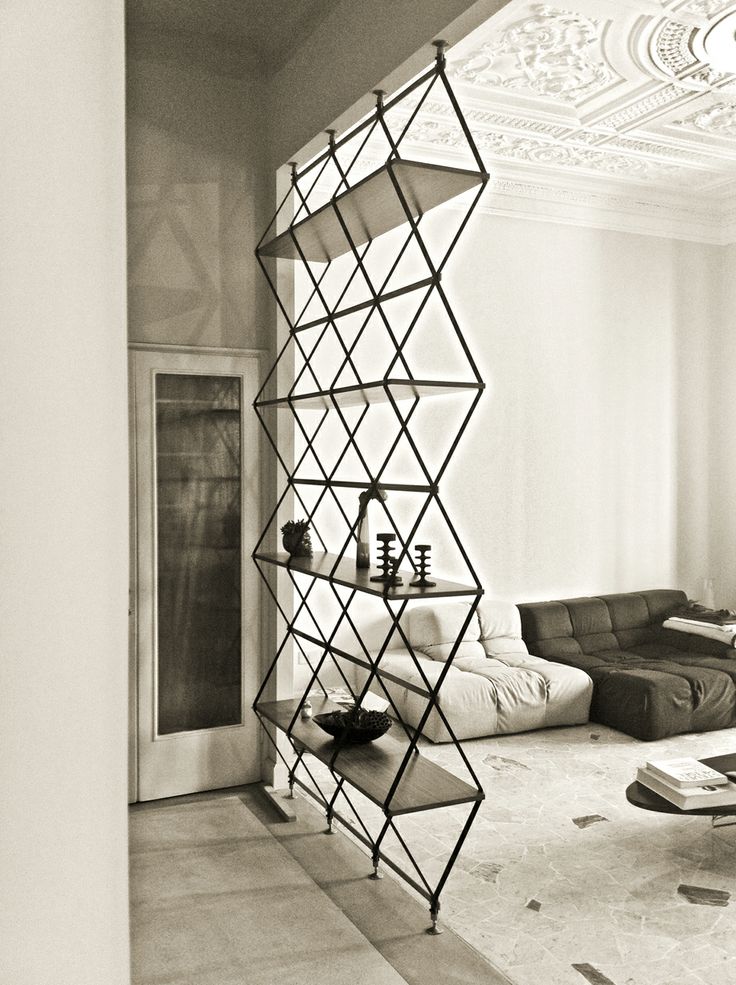
screen-shelf in the interior of the living room
So, in small apartments within one room there can be both a living room and a bedroom. And although modern design solutions make it possible to visually enlarge the room, the much-needed square centimeters do not appear from this, because in practice there is only a visual increase. Of course, you can re-plan the interior space of the room by removing extra interior walls, but this option is not always realistic. In such situations, a simple screen can be a great solution.
A screen in the interior of your home can perform not only a practical function, but it can also become an unsurpassed decorative decoration.
For the first time, wise Chinese began to use screens back in the seventh century. The population of the country was already numerous at that time, so people had to huddle in large families in small houses. And in order to delimit the space, without occupying a usable area, they began to use a screen. In addition, this element of decor in those distant times performed another very important function: it protected the house from the penetration of evil spirits, because they could only move in a straight line, and the screen was just installed at the entrance.
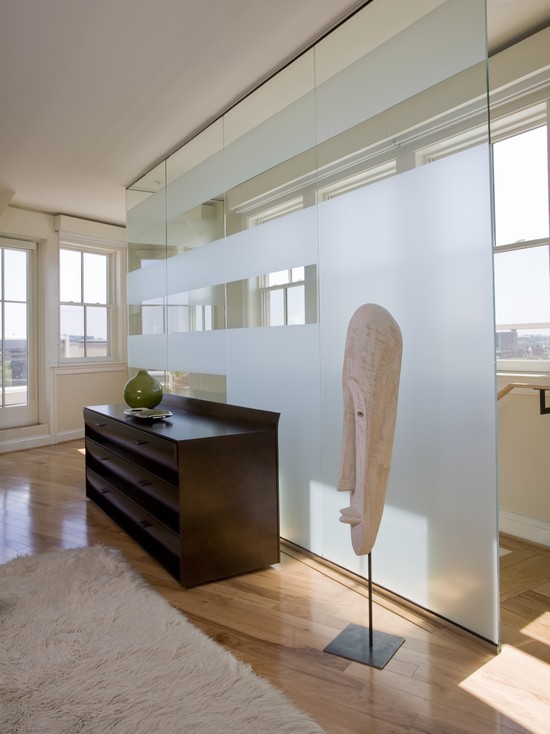
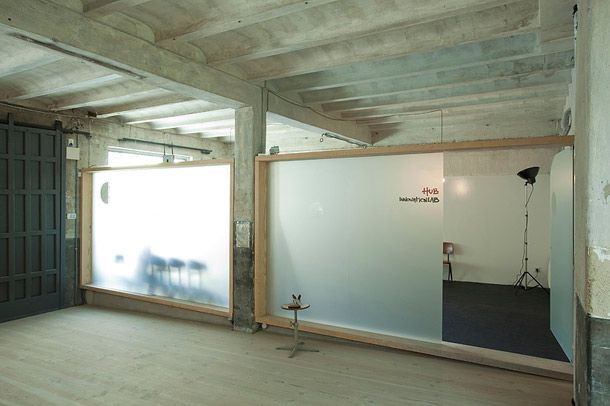
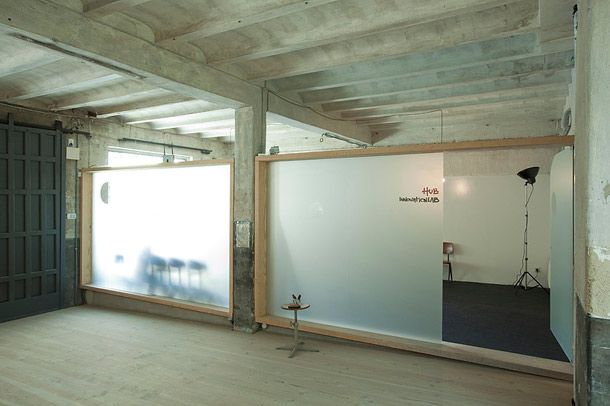
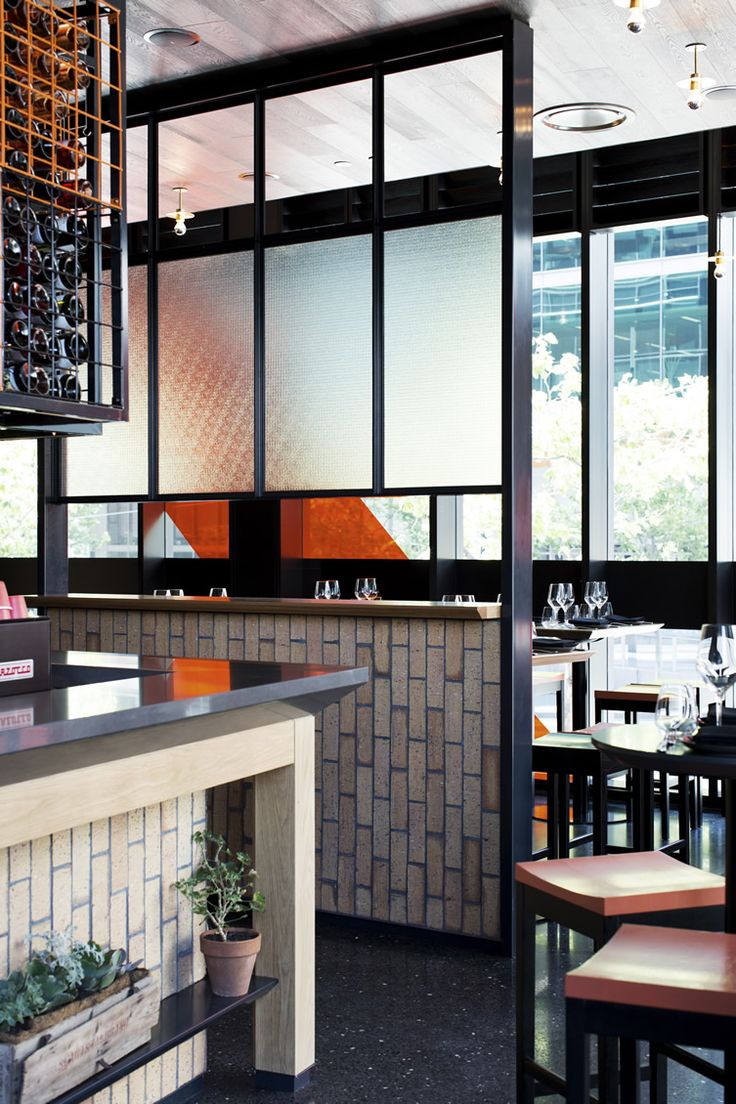
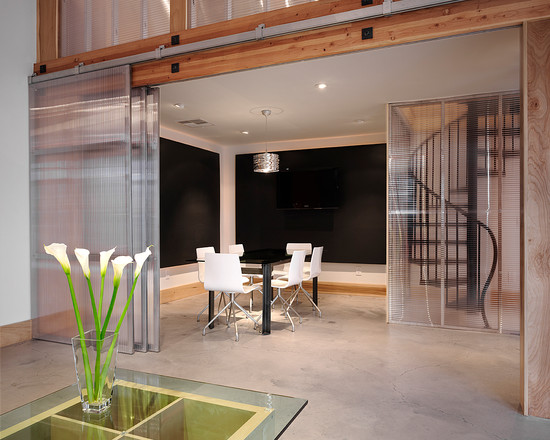
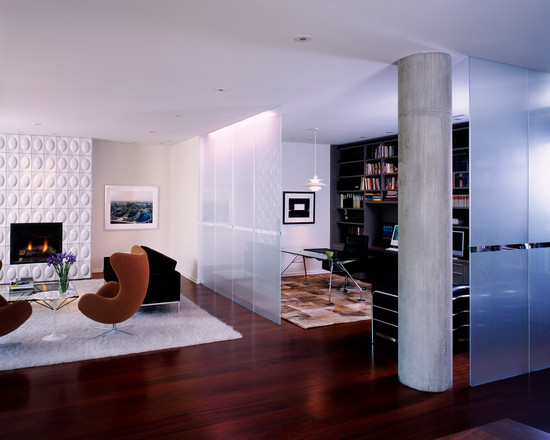
glass screen is appropriate in modern and hi-tech interiors
Later, the screen in the interior began to be used far beyond the borders of China, and only for functional purposes. So, in the living-dining room, with the help of a screen, you can hide the kitchen part from prying eyes or simply install it near the closet in order to be able to change clothes without causing inconvenience to the household. It is also worth noting that this sliding design can not only complement any interior, but also become its highlight, because almost any pattern or pattern can be applied to the surface of the screen.
You can also hide a battery, a children's play area, an ironing board or a vacuum cleaner, a home workshop or a dressing room behind a screen. In addition, if relatives came to visit you, and the area of \u200b\u200bthe apartment is such that it is not possible to allocate a separate room for them, then this portable partition will come to your rescue.
Types of folding partitions
Depending on the method of manufacture, design and other parameters, there are several types of screens. When choosing a sliding structure for your home, you definitely need to pay attention not only to the appearance, but also to the functional features of the screen.
The material for the manufacture of mobile partitions is most often plastic, metal or wood. In addition, the screen in the interior can be forged, carved, and also some image is often applied to it for decorative purposes.
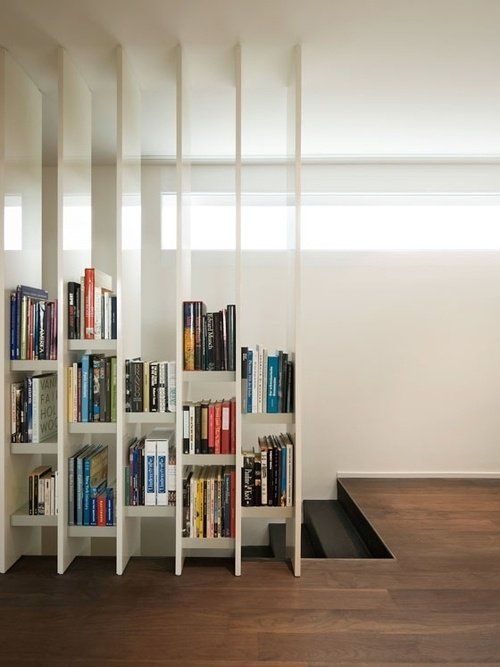
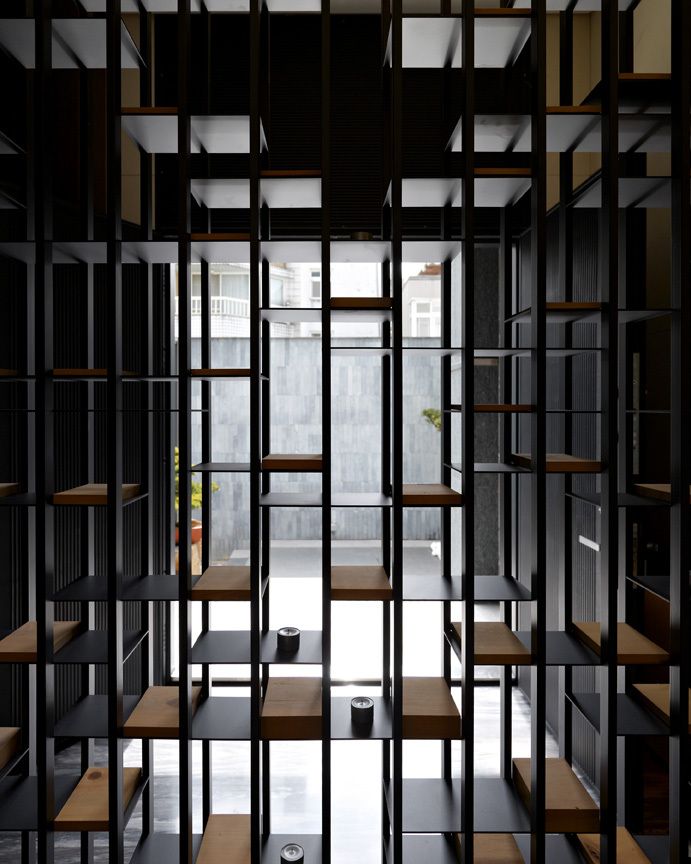
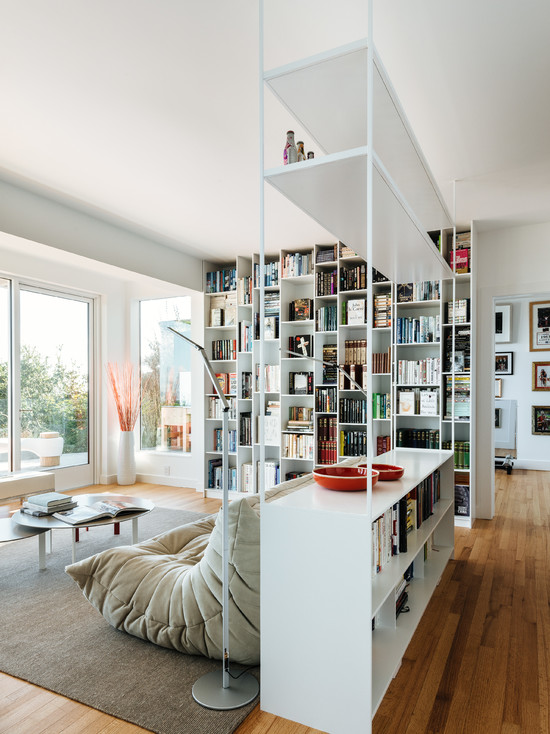
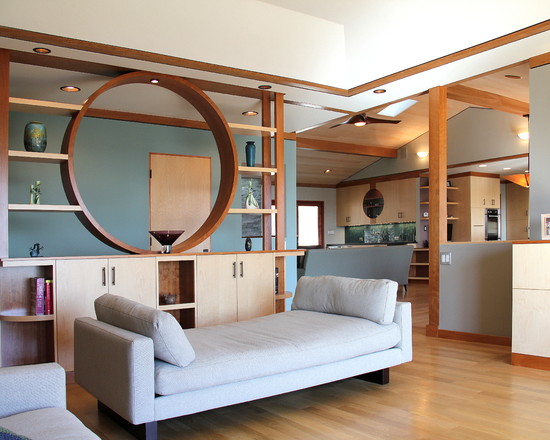
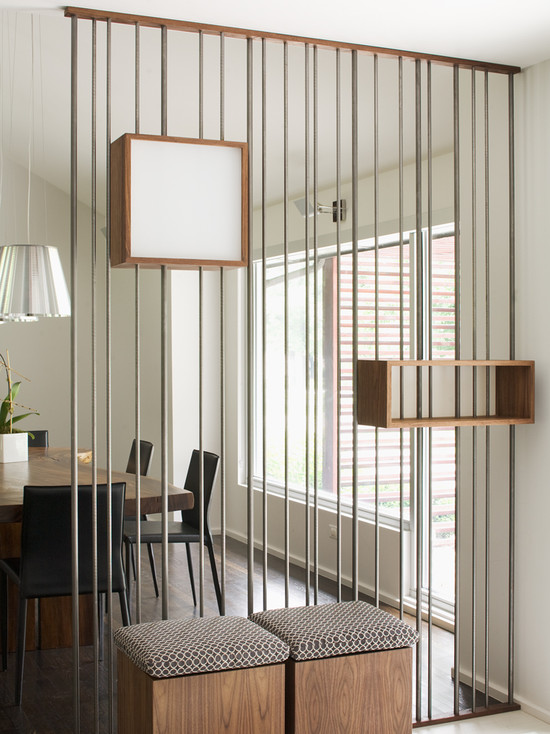
original solution - using a screen as a bookshelf
Consider the main types of screens:
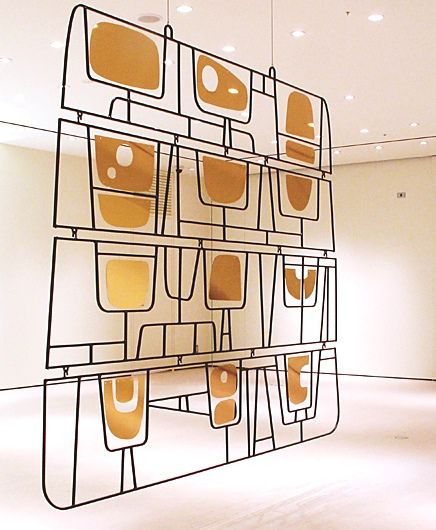
- Forged. For their manufacture, the air forging technique is most often used, due to which such screens are usually completely transparent. Therefore, most often they carry only a decorative function.
- Carved. The material for the production of such screens is wood, less often plastic. They look like a multi-leaf solid canvas. Decorated mainly with various-caliber carvings.
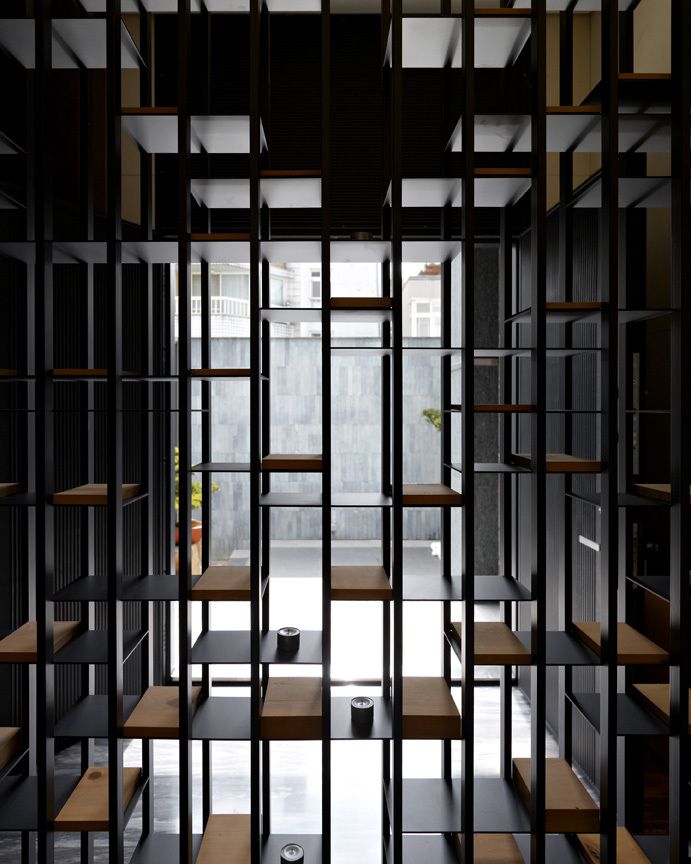
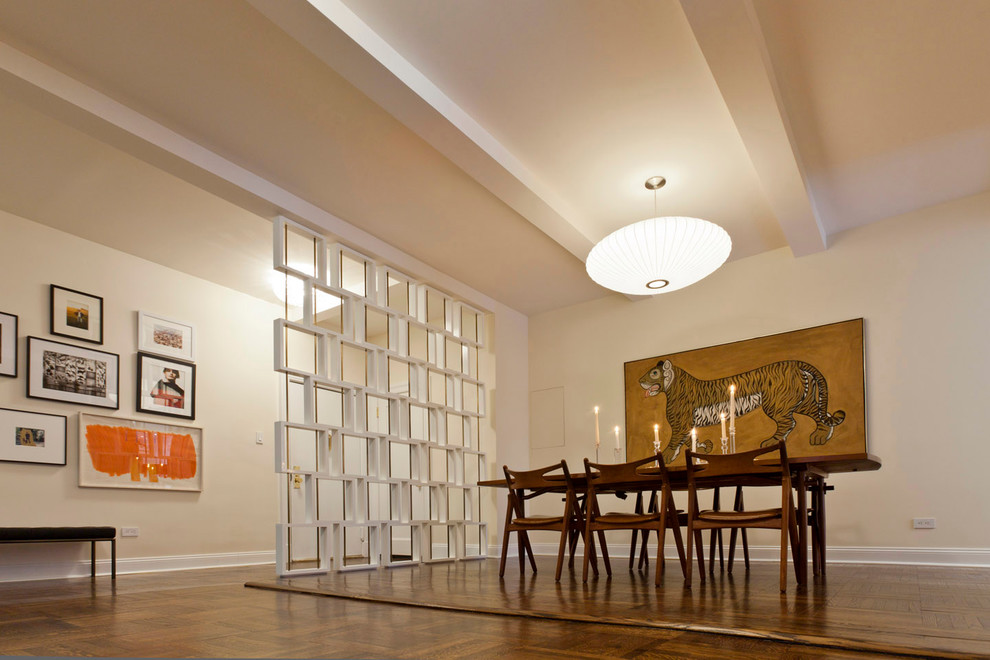
- Shelf screens. The distinguishing feature of this design is that instead of canvas, they have narrow shelves on which you can place various souvenirs and small figurines.
- Single screen. The design of such screens is extremely simple: they are based on a non-folding panel, the stability of which is given by wheels or special legs. Some models have special pockets in which you can store various little things.
- Flexible. Such screens have appeared quite recently, however, due to their excellent performance, they have earned excellent reviews from consumers. Such a design can be bent almost anywhere, because it is a sheet of material with special bending ribs. If necessary, such a screen can be easily rolled up and hidden until it is needed again.
- Combined. Such screens combine the useful properties of two or several models at once.
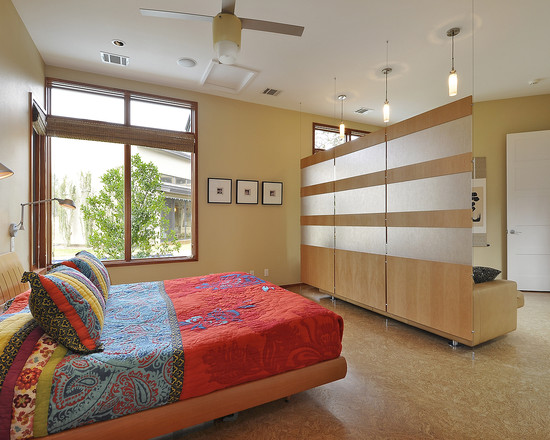
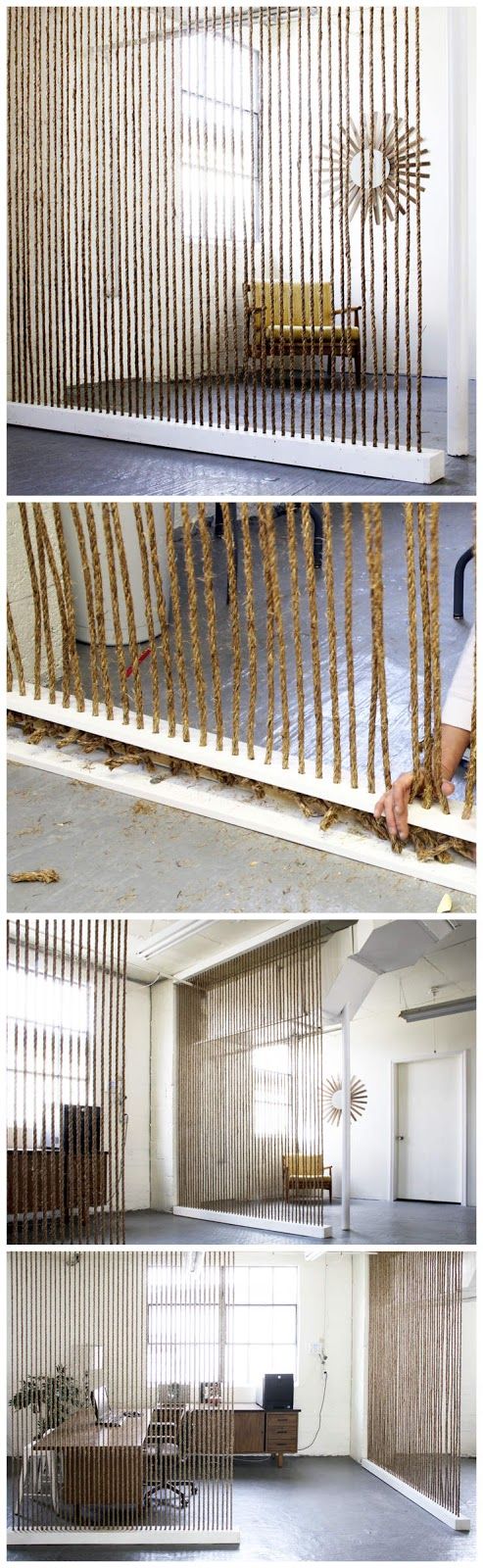
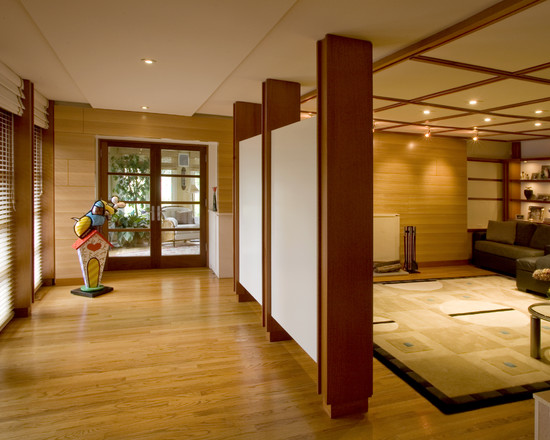
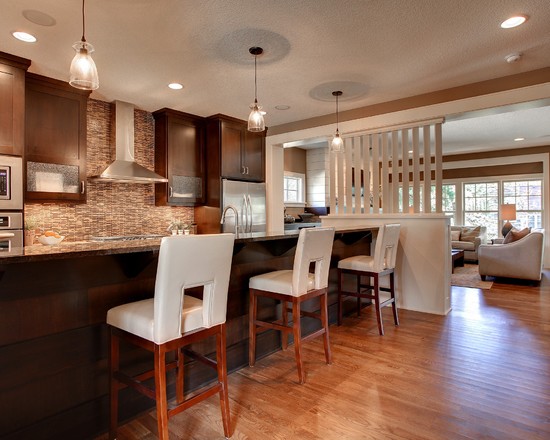
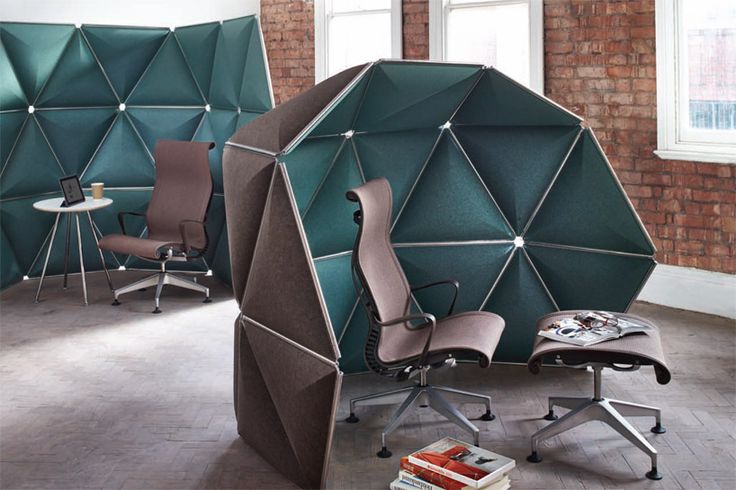
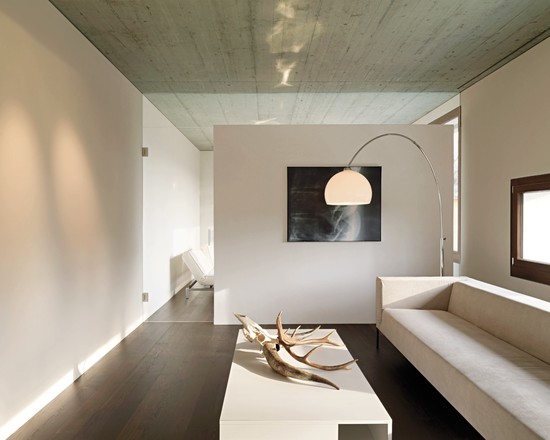
use of a screen for zoning space
In addition, you should pay attention to the design parameters, because in order for the screen in the interior of your home to look organic, you need to think through every little thing. Most often, the design has from three to five wings, each 40-60 centimeters wide. The height of the screen usually does not exceed two meters, and the total width is two and a half.
back to index ↑Advantages of using a screen in the interior
The main advantage of these mobile structures is their mobility, because the screen can be easily transferred from one room to another, and if necessary, it can be completely hidden until better times.
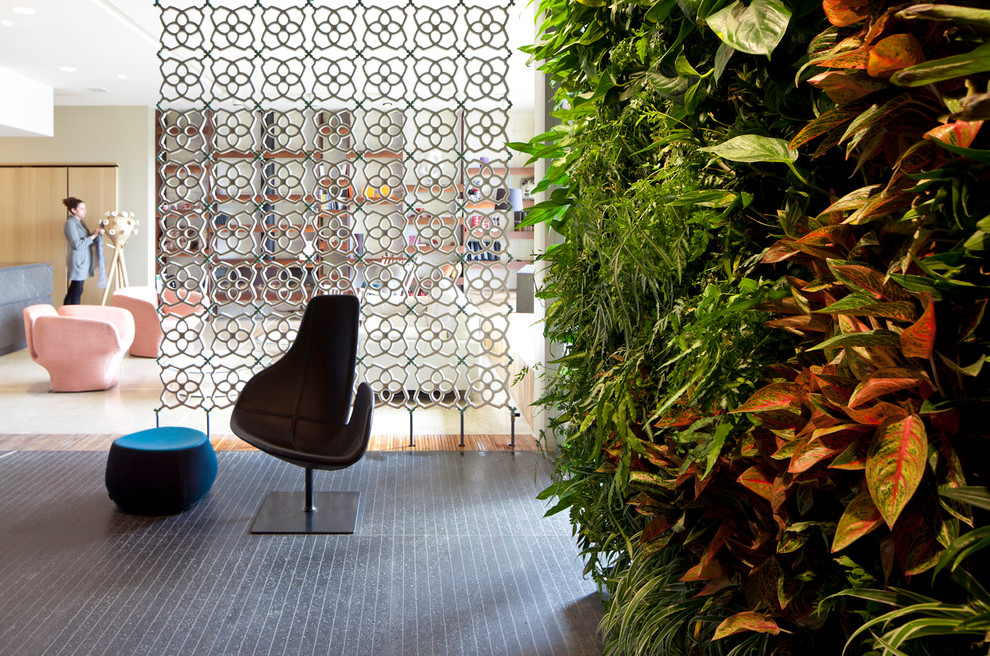
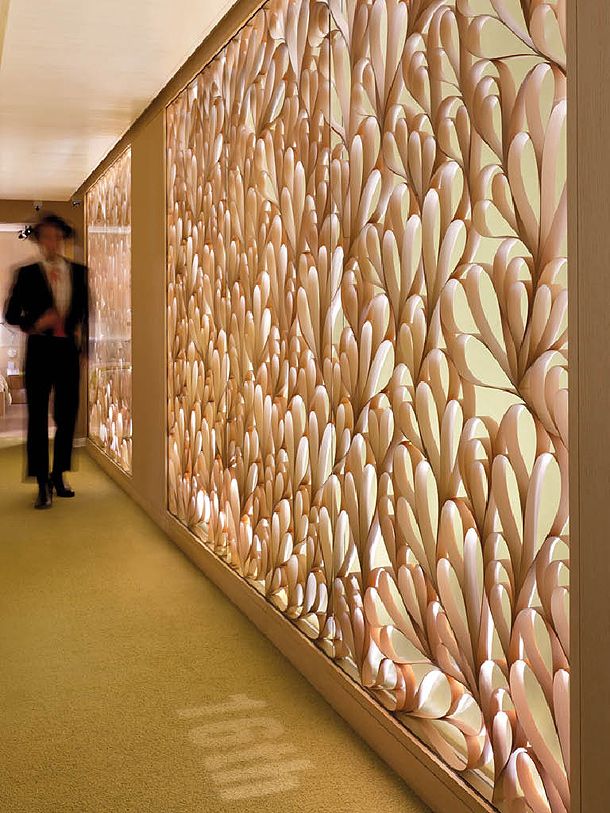
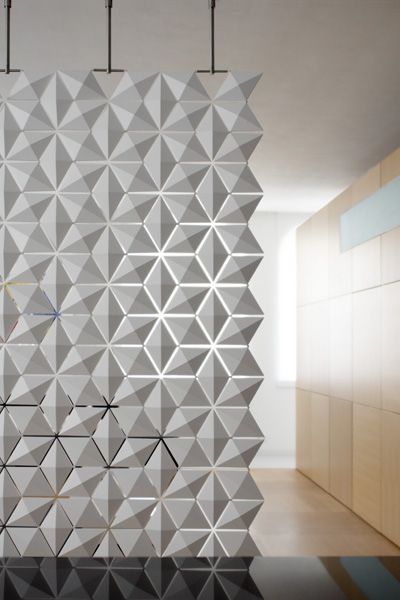
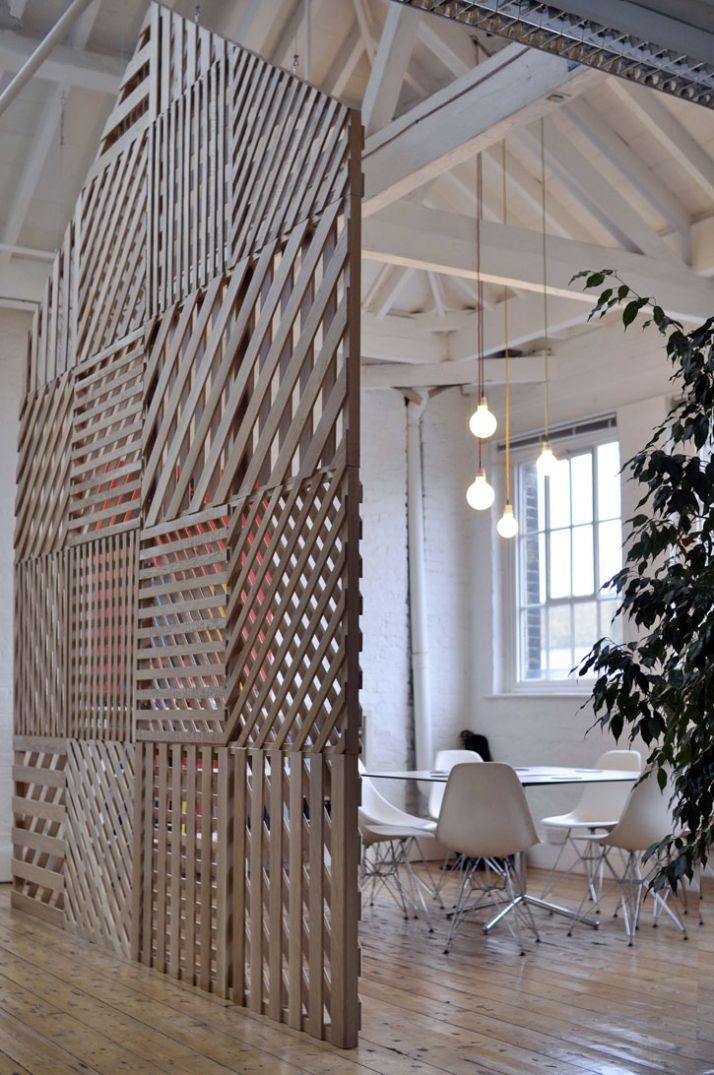
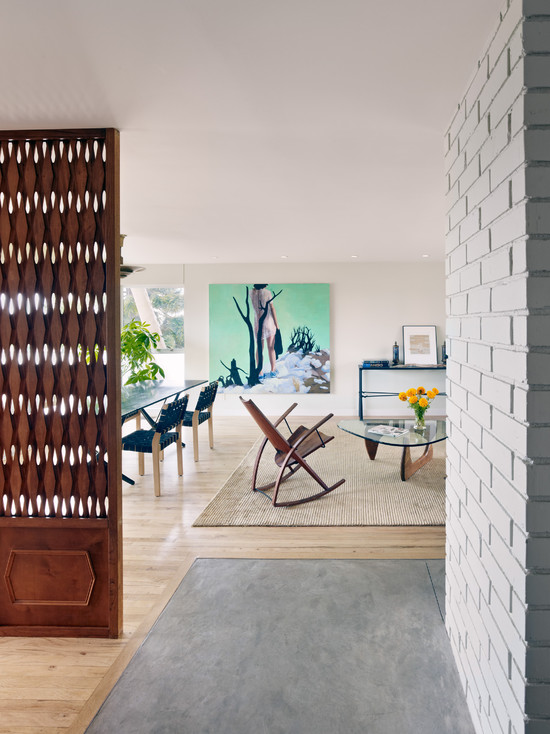
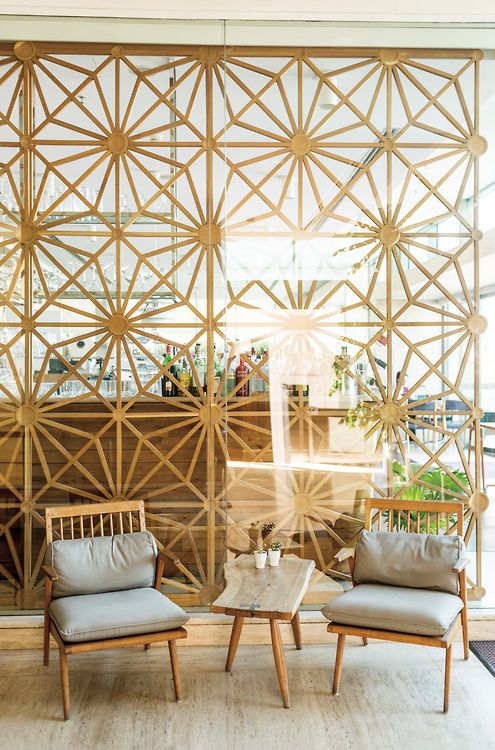
openwork screen as an elegant element of decor
Also, the screens are extremely compact, because when folded they can easily fit in the most limited area and in the most seemingly unsuitable places.
In addition, the screens are distinguished by their light weight and amazing decorative possibilities, which allows these elegant designs to become a real decoration of any interior.
Another very important advantage of the screen is that With its help, you can change the layout of the room in a matter of moments..
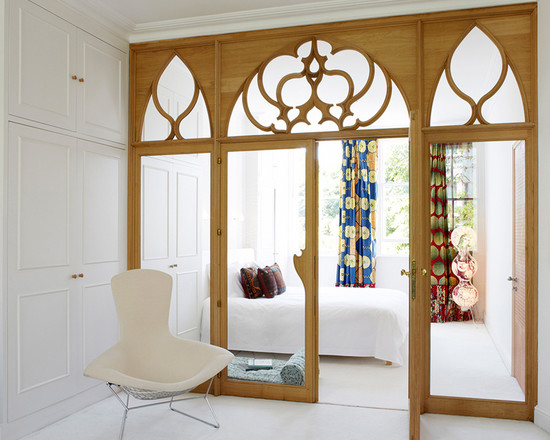
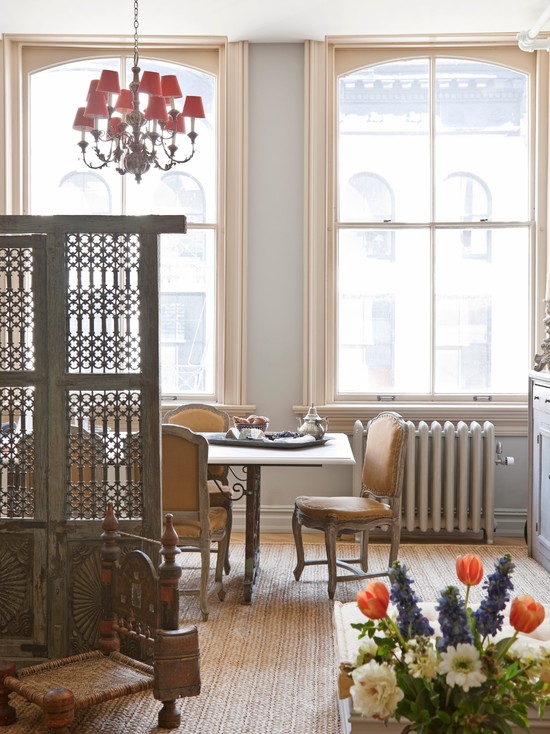
wooden screens with carved elements have become a decoration of the oriental style of the interior
Screen in the interior of various rooms
Interior designers liked the beauty and functionality of screens so much that they use them with great pleasure to decorate a wide variety of rooms in a house or apartment. However, there are some recommendations, following which you will not exactly go wrong in the question of where and which portable partition is best to use.
- A forged or carved wooden screen will look great in the living room. At the same time, there are countless options for how to decorate it. It can be photo printing, and various ornaments or patterns. The only thing to remember is that the screen is in harmony with the overall decoration of the interior of the living room, otherwise you can give free rein to your imagination.
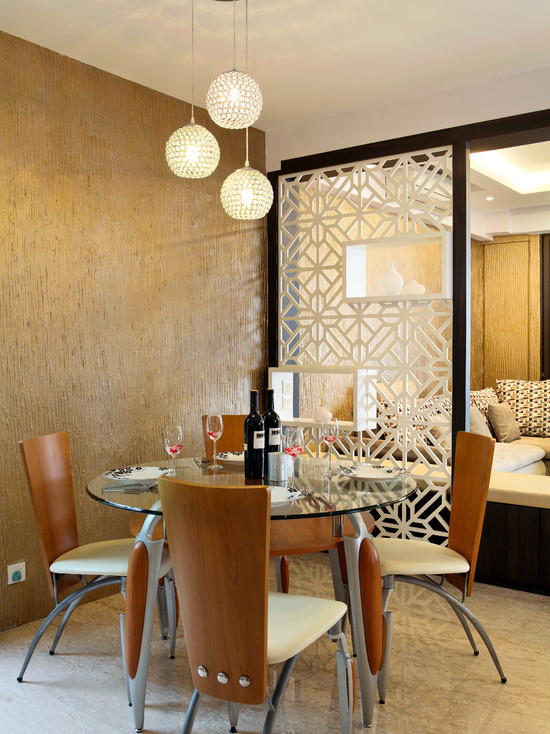
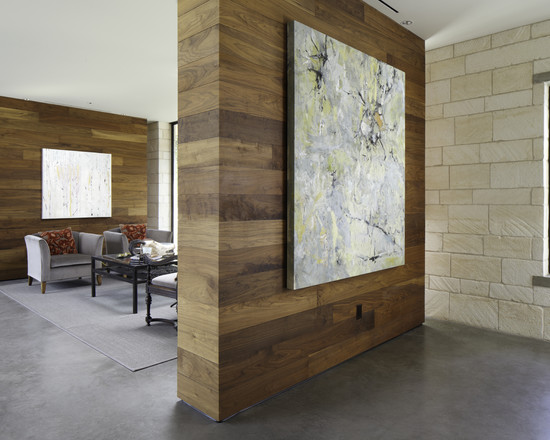
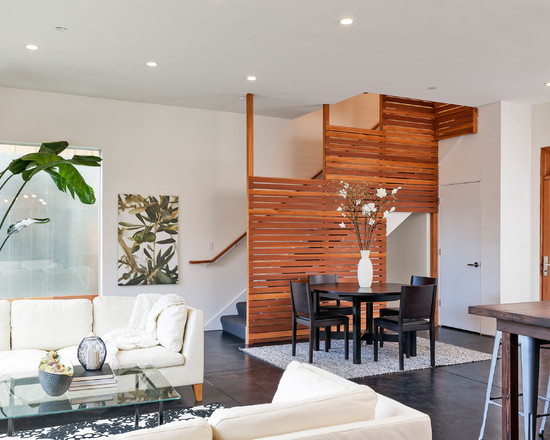
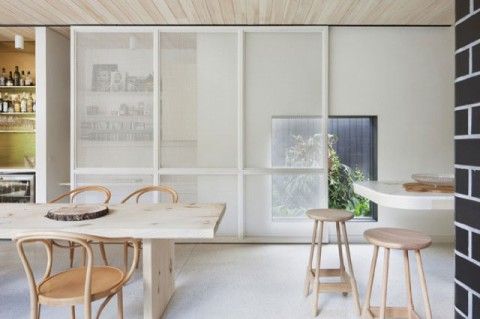
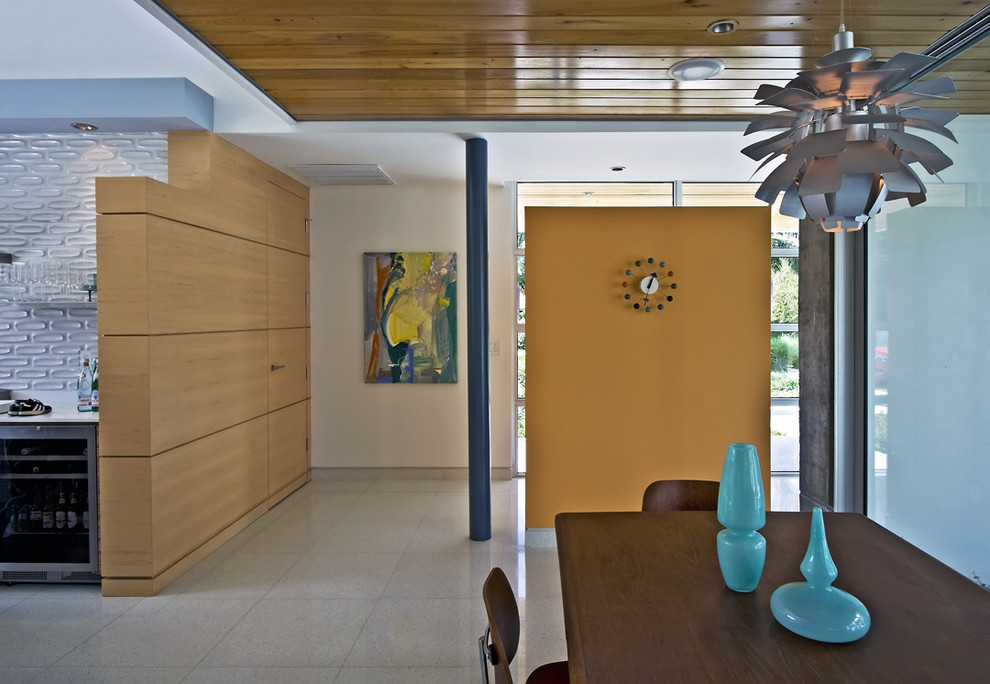
screen separating dining room and living room
- When choosing a screen for a children's room, it is advisable to stop at the option without glass inserts, because during games, kids can inadvertently break glass and get hurt. In addition, it is better that the structure is wooden.But to decorate the screen in the interior of the children's room, you can even attract your favorite child, because who, if not your child, knows exactly what picture or plot he wants to see every day. It can be both fairy-tale characters, and the plot of your favorite animated films, or just an abstraction. Currently An excellent option for decorating screens are decorative stickers, which can be ordered at any advertising agency..
- Plexiglas screens will become an unsurpassed decoration for the bedroom. Moreover, it is desirable that the design be made in neutral pastel colors such as olive, white, caramel, turquoise, beige, pale pink, and so on. Although it all depends solely on the interior of the bedroom.
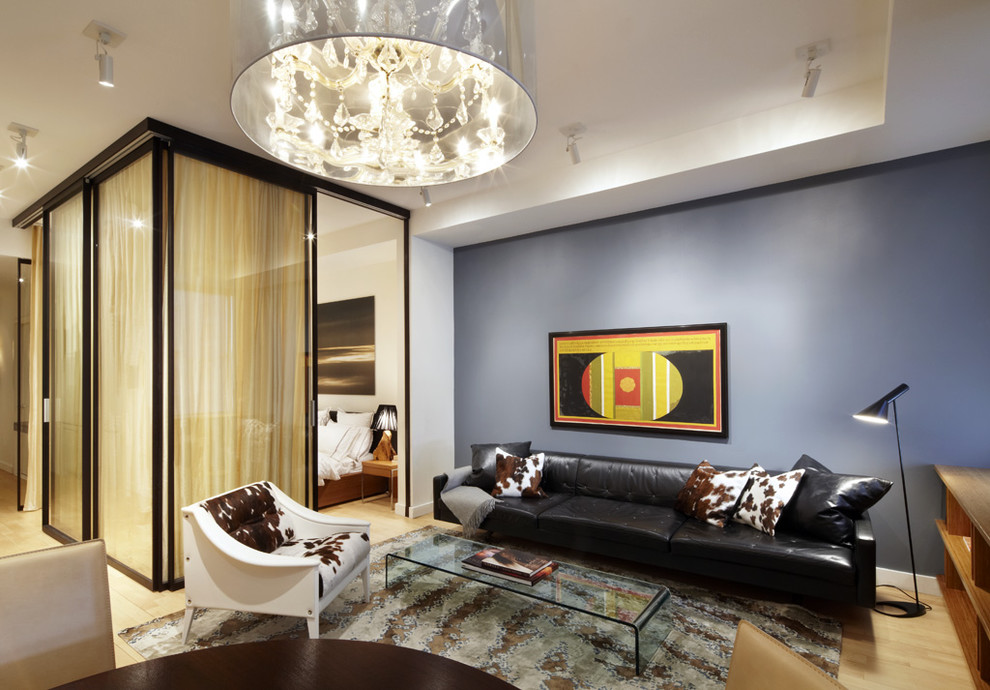
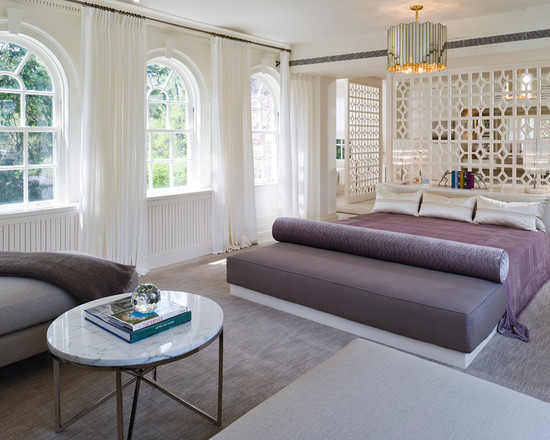
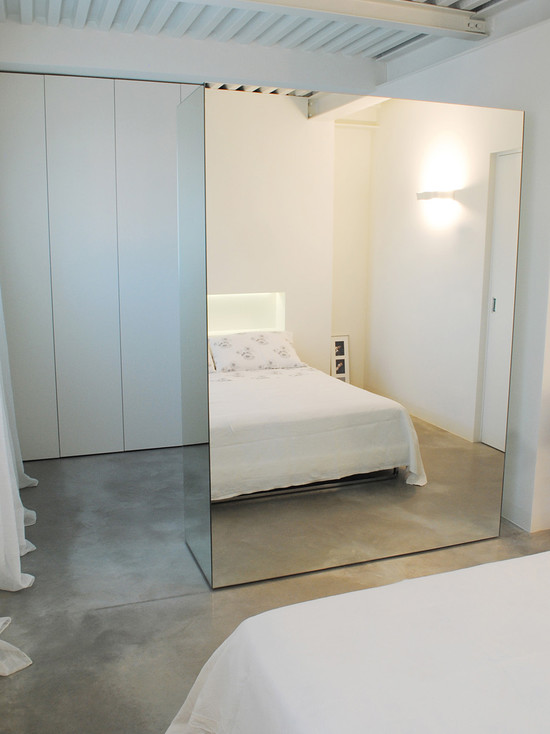
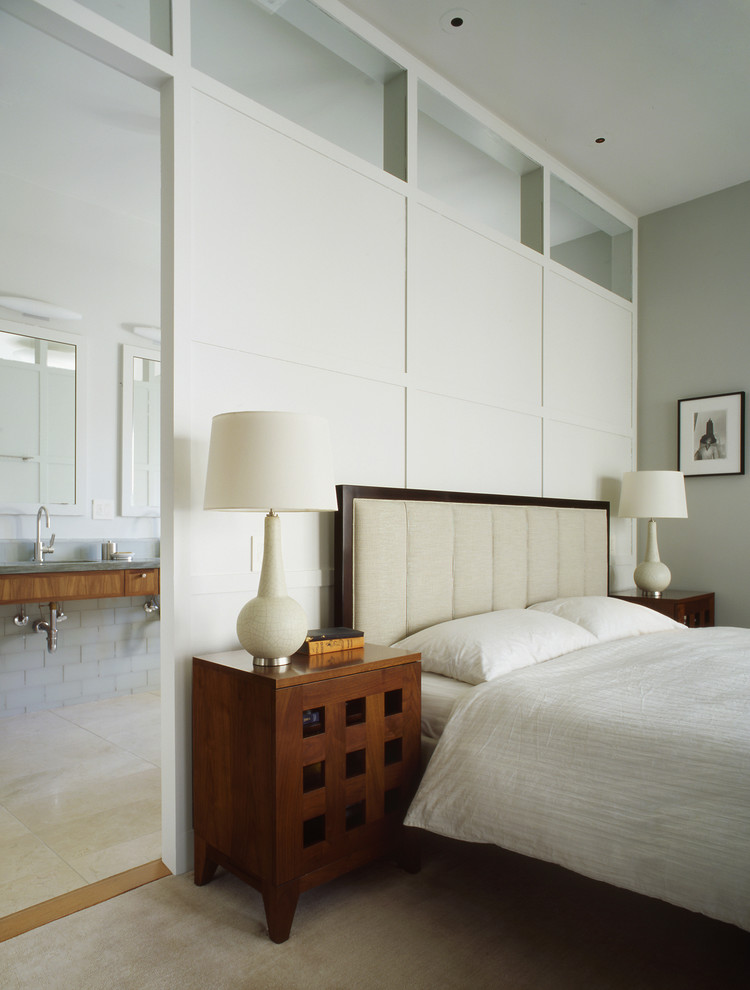
a high U-shaped glass screen functionally separates and hides the bedroom
- The screen in the working area should not distract attention, so it is better that it be made in a strict color scheme.
- As for the kitchen, then the best option would be a glass screen, which is absolutely not afraid of moisture and which will be extremely easy to care for. Fruit still life or nature motifs will be the perfect decoration for partitions on the kitchen.
Distinctive features of screens in various countries
From time immemorial, Japanese screens have been made from rice paper and wood. Moreover, a characteristic feature of the design is a large number of valves, usually they number from five to eight. Drawings are applied to a rice paper canvas, which is then attached to a wooden frame. The traditional image is classic Japanese motifs, hieroglyphs or sakura.
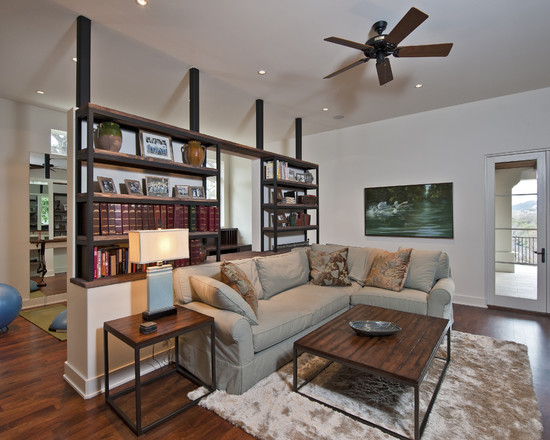
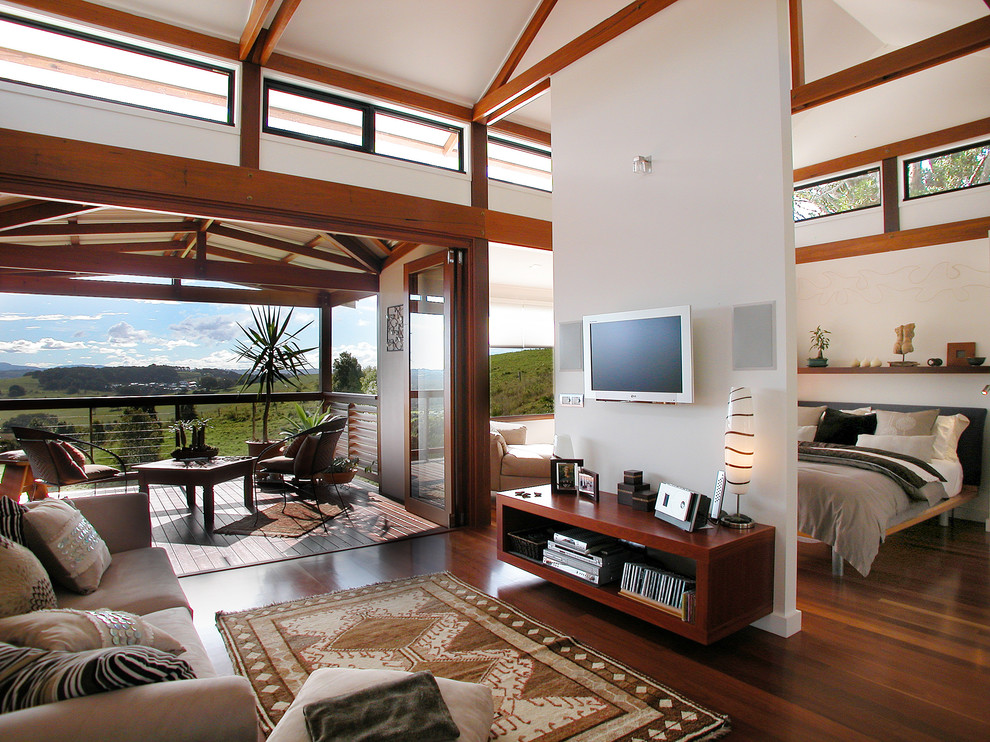
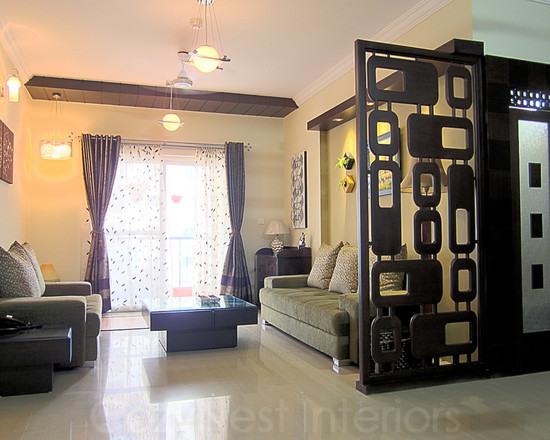
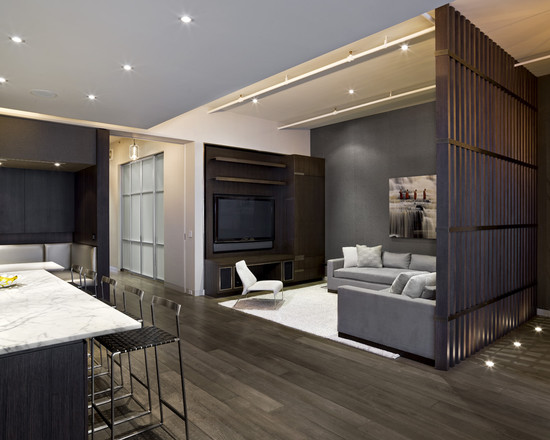
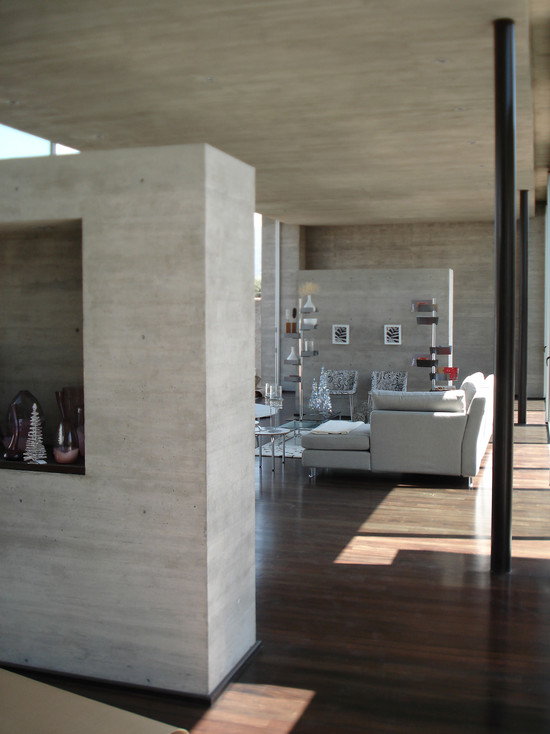
ergonomic solution - a screen-shelf that functionally divides the living room space
Indian screens are usually made from precious woods like teak. Hand-painted and precious stones further emphasize the extraordinary splendor and luxury of this design..
Moroccan screens are also usually made of wood, also by hand. A distinctive feature of sliding structures from Morocco is openwork woodcarving and inimitable finest painting.
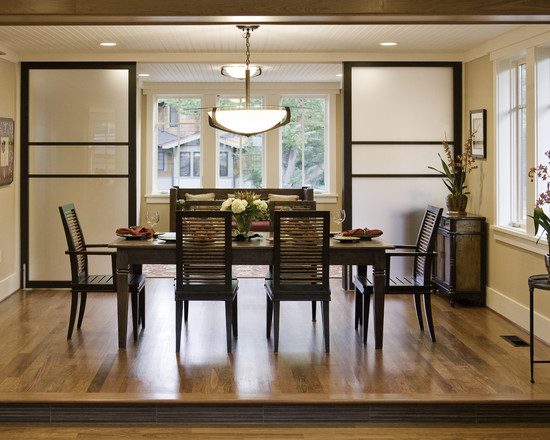
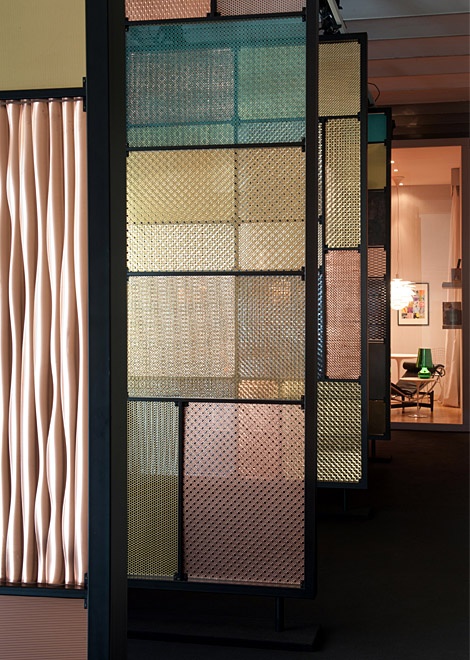
a screen made of translucent organic glass allows maximum daylight through
The screen is an actual solution for any interior
It is incredibly difficult to create comfort in a room that performs several functions at once, because in small apartments on the same area it is not uncommon for an office, a living room and a hall to be located at the same time. Capital partitions in this case will definitely not solve the problems that have arisen, because in addition to financial costs and inconvenience from repairs, they will reduce the already modest living space. However, interior designers found a way out of the seemingly impasse - they proposed to zone the space with screens. But even in a luxurious mansion, the screen will definitely become an integral part of the interior, because this design is fraught with a certain mystery and allows you to make the house a little more interesting and brighter.
Thanks to their original appearance and useful properties, screens are becoming more and more popular with modern designers every day.
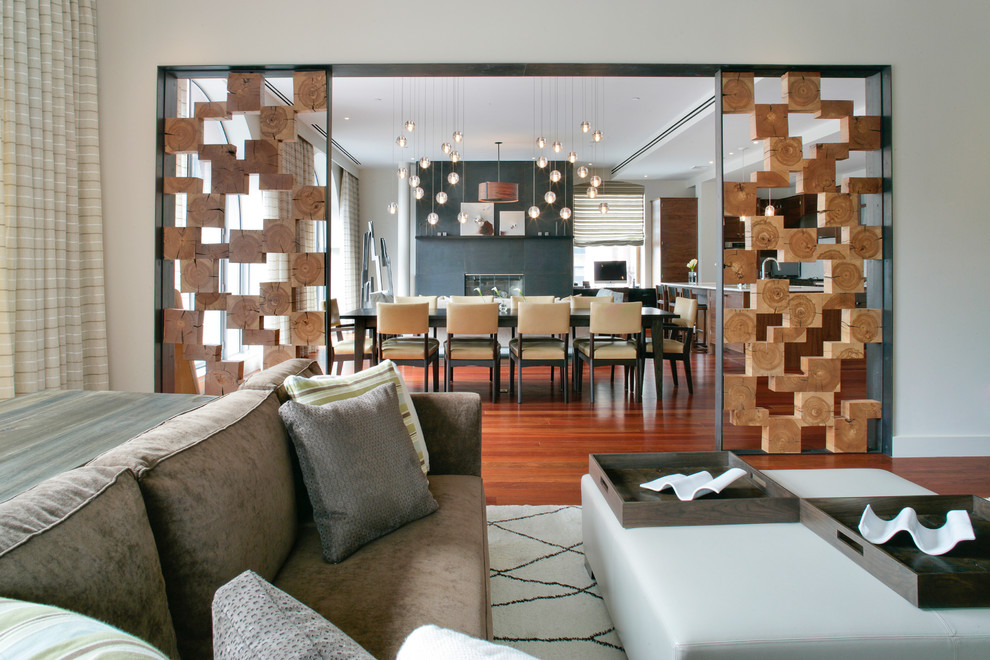
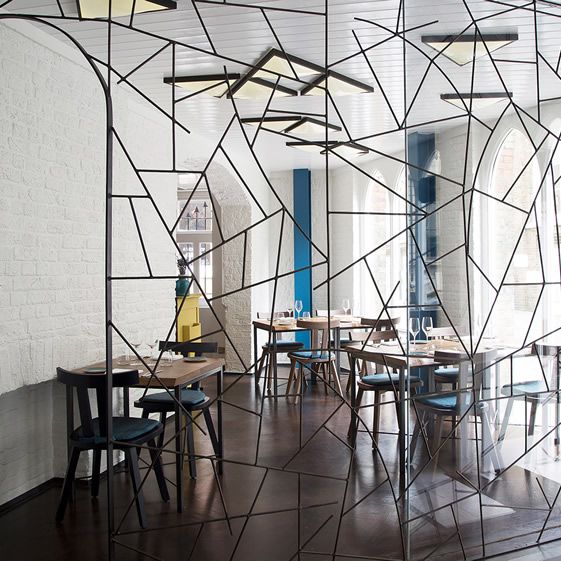
unusual decorative screen in the interior of a studio apartment
Moreover, now you can order or purchase a ready-made design of the most incredible appearance, because even beads, rhinestones, carvings, fabric, stained glass filling, leather, hand-painted, embroidery and much more are used to decorate screens. Concluding this article, I would like to emphasize once again that the screen in the interior will look really fashionable and stylish only when it is in harmony with the general style of the room, becomes its integral part and pride.
back to index ↑Photo gallery - a screen in the interior: